DESIGNING DAYS THAT COOPERATE
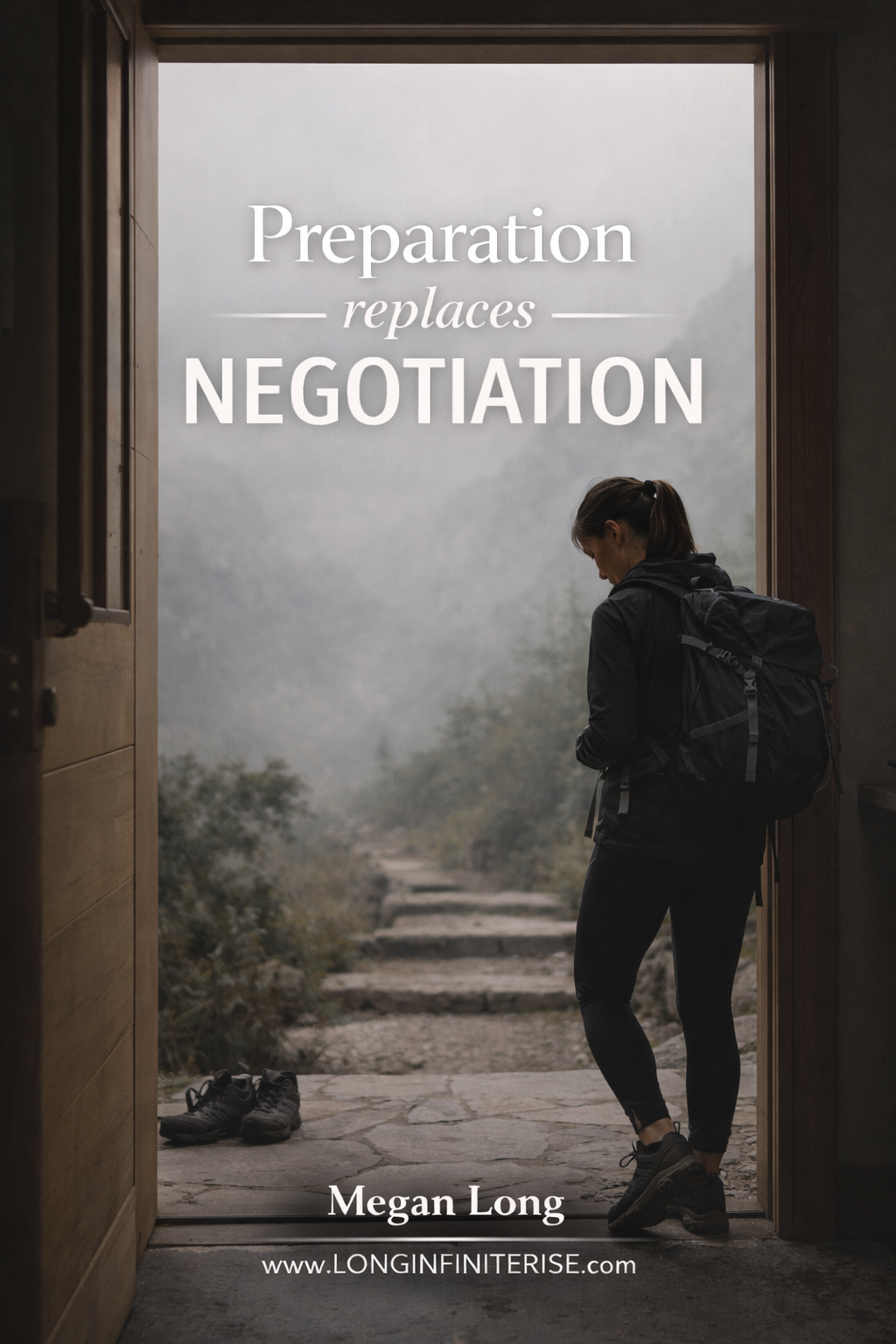
I notice the moment where movement slows and I label it effort. It is rarely the task itself. It is the space around it—the pause where I ask the same question again, the setup that hands my tired self a decision it did not choose. Nothing is wrong here. The pattern is consistent enough to study.
I begin paying attention to where resistance gathers. It collects at the edges: an object slightly out of reach, a plan left unfinished, a choice deferred until my clarity thins. These moments do not ask for more will. They ask for cleaner structure.
So I start earlier than the resistance. I decide while I am clear. I place what I need where I will use it. I close doors I do not want to reopen. I remove the need to convince myself in real time. This is not restriction. It is accuracy.
As the environment shifts, my body responds without commentary. Motion replaces hesitation. Follow-through stops feeling heroic and starts feeling normal. The day carries me instead of testing me.
I recognize myself here. I design days that cooperate. Preparation replaces negotiation. Alignment outperforms force. I trust this pattern because it repeats, and repetition is how my nervous system learns who I am safe to be.